 Wildlife Removal Kansas City
 Wildlife Removal in Overland Park, Kansas
Last updated: September 2026
Price ranges are compiled from national cost data + published local pricing, September 2026 — your actual quote depends on an on-site inspection. Full methodology on the Kansas City cost page.
Overland Park Housing Stock: Two Different Wildlife Markets
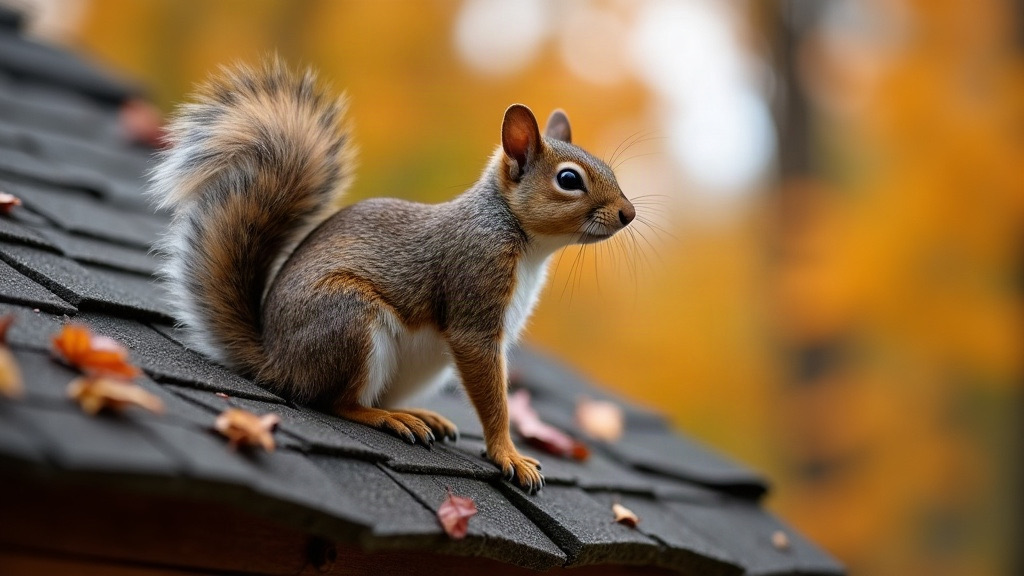
Overland Park splits into two wildlife zones. North OP — the 1950s–60s ranch neighborhoods around Downtown Overland Park, Santa Fe Drive and the Prairie Village border — is classic attic-wildlife territory: mature oak and walnut canopy over every roofline, aging soffits, original gable-vent screens and uncapped chimneys. Raccoons and squirrels work these blocks hard every October and November when the first cold snaps hit.
South of 135th Street, the newer subdivisions trade old-house gaps for newer-construction problems: builder-grade vent screens squirrels chew through in days, settling cracks at roof-to-wall junctions, and groundhogs and skunks denning under decks and along the retaining walls of freshly graded lots. Neither end of town is immune — the entry-point list just looks different.
The Kansas Rule: Ask for the KDWP Permit
Overland Park is Kansas-side, and Kansas regulates this trade directly: anyone doing commercial nuisance wildlife damage control in the state must hold a permit from the Kansas Department of Wildlife & Parks (KDWP). The permit system covers which species may be handled, approved methods, and what happens to the animal — relocation of trapped wildlife is restricted, and rabies-vector species (raccoons, skunks, bats) carry handling rules.
The practical move: when you call a company about an Overland Park address, ask whether the operator who'll do your job holds a KDWP nuisance wildlife damage control permit. The established KC-metro companies on our companies page — several of them headquartered in Johnson County — work the Kansas side routinely; the ones worth hiring answer the permit question without pausing.
What Gets Into Overland Park Homes (and When)
Squirrels are OP's most common attic call — fox squirrels riding the tree canopy onto rooflines, active at dawn and dusk. Raccoons follow, with the October–November cold transition and spring denning season (March–May) as the two peak windows; a mother raccoon will tear through a weak soffit to reach a warm attic. Big brown bats roost in gable vents and behind trim gaps — remember the maternity-season blackout: no exclusion of a colony from roughly May through August, when pups can't fly.
Below grade, skunks den under decks and porches year-round, and groundhogs burrow along foundations, sheds and retaining walls — the burrow itself, not the animal, is often what undermines a slab. Identification help is in our attic wildlife guide, and honest price ranges are on the cost page. When you're ready to call, start with the KC metro company comparison.
Frequently Asked Questions
How much does wildlife removal cost in Overland Park, KS?
Most single-animal jobs — a raccoon or squirrel in the attic, a skunk under the deck — run $200–$600 for trapping and removal. Whole-house bat exclusion typically runs $500–$2,000+, and full exclusion seal-up $300–$2,500+ depending on how many entry points the roofline has. Inspections from wildlife specialists are often free.
Does Overland Park Animal Control remove wildlife?
Overland Park's animal control handles domestic animal issues — stray dogs, bites, cruelty. Wildlife on private property is the owner's responsibility under Kansas rules, which is why private KDWP-permitted nuisance wildlife operators exist.
What is a KDWP nuisance wildlife permit, and why does it matter?
Kansas requires commercial nuisance wildlife damage control operators to be permitted by the Department of Wildlife & Parks. The permit system governs legal methods, species handling and relocation restrictions. For an Overland Park address, asking for the operator's KDWP permit is the fastest legitimacy check you can run.
When is wildlife season in Overland Park?
October–November is the metro-wide attic move-in peak (raccoons and squirrels). March–May is denning season with litters. May–August is bat maternity season, when exclusion of a colony is off the table. Skunks den under decks year-round, with breeding-season spray incidents peaking in February–March.
Talk to a Kansas City Wildlife Specialist Now
No forms and no waiting for a callback — one call connects you with a wildlife removal specialist serving the Kansas City metro, on both sides of the state line.
Call (235) 200-214624/7 — speak with a local specialist now