 Wildlife Removal Kansas City
 How Much Does Wildlife Removal Cost in Kansas City? (2026 Prices)
Last updated: September 2026
Ranges below are compiled from national cost data and published local pricing, September 2026. We are collecting direct quotes from Kansas City companies and update this page as they come in. Your actual price depends on an on-site inspection — no honest company prices a wildlife job sight unseen.
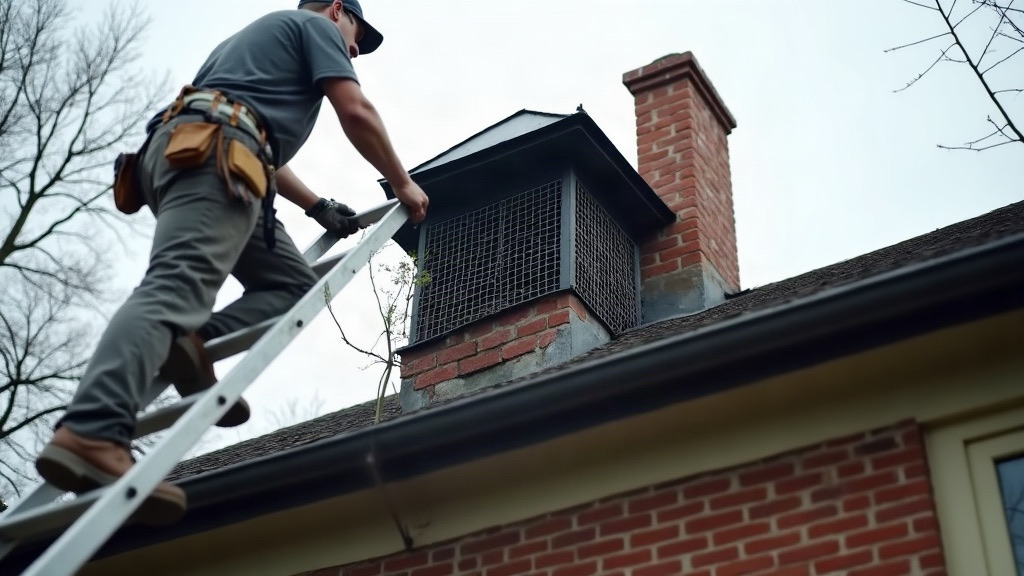
Kansas City Wildlife Removal Prices by Service
| Service | Typical price range | Notes |
|---|---|---|
| Inspection | Free – $150 | Wildlife specialists often inspect free and roll the fee into the job; written findings are what honest quotes are built on |
| Raccoon removal (trapping) | $250 – $600 | Trap setup, checks and removal; a mother with a litter in the attic costs more — see our raccoon page |
| Squirrel removal | $200 – $600 | Trapping or one-way doors at the entry point; details on the squirrel page |
| Bat exclusion (whole house) | $500 – $2,000+ | One-way valves plus sealing every secondary gap; priced by roofline length and stories — see bat removal |
| Skunk removal | $300 – $600 | Careful trapping under decks, porches and sheds; details on the skunk page |
| Dead animal removal | $150 – $400 | Location drives price: under a deck is cheap, inside a wall cavity with cutting and patching is not — see dead animal removal |
| Full exclusion / seal-up | $300 – $2,500+ | Steel mesh, flashing, vent covers and chimney caps on every entry point; the range is driven by home size and roofline complexity — see wildlife exclusion |
| Attic cleanup & re-insulation | $500 – $3,000+ | Removal of contaminated insulation, sanitizing, replacement; quoted separately from removal |
Prices by Job Scope
Wildlife pricing scales with entry points and contamination more than raw square footage — a small house with one groundhog hole is the cheap end, a pre-war two-story with a raccoon family and a contaminated attic is the expensive end.
| Scenario | Removal | Exclusion / seal-up |
|---|---|---|
| Single animal, easy access (deck skunk, chimney raccoon) | $200 – $450 | $0 – $300 (one entry point) |
| Attic animal with family (raccoon or squirrel litter) | $400 – $800 | $300 – $1,200 |
| Bat colony / full-home exclusion | $500 – $2,000+ | $1,000 – $2,500+ (seal-up is the job) |
| Heavy attic contamination (cleanup + insulation) | $500 – $3,000+ | Adds on top of removal and exclusion |
What Actually Drives the Price
- Species. A skunk under a deck is a ground-level trapping job; a bat colony is a whole-roofline exclusion. Species sets the method, and the method sets the price.
- Number of entry points. Older KC housing stock — Waldo, Brookside, Prairie Village — often has a dozen gaps along the roofline. Every one adds labor and materials to exclusion.
- Babies. A raccoon or squirrel with a litter means locating and hand-removing juveniles, and bat pups freeze all exclusion work until they fledge.
- Stories and roof pitch. A single-story ranch is ladder work; a steep two-story in Brookside needs more safety setup and time.
- Contamination. Light droppings need spot cleanup; a long raccoon or bat infestation can mean full insulation replacement.
- Dead animal location. In the yard is cheap; dead inside a wall means cutting, removal, disinfection and drywall patching.
One-Time Removal vs Ongoing Plans
Wildlife work is naturally a one-time capital fix: trap the animal, seal the entry points, warranty the seal-up. Done right, the problem is over. Some KC companies — especially pest control firms that also do wildlife — will propose an ongoing monthly or quarterly plan instead. For general pest pressure (insects, mice around the foundation) those plans have their place, but they are a supplement to exclusion, never a substitute for it.
The exception that makes sense: mole and vole pressure, which is a territory problem, not a structure problem — that's why a company like All Seasons sells one- and two-year service plans specifically for moles. For anything that gets inside the house, though, if a quote has monthly payments and no seal-up work, you're buying a subscription to your own problem.
What Waiting Costs in Kansas City
Wildlife quotes feel expensive until you price the damage. Raccoons destroy ductwork and insulation and create latrine sites whose roundworm-contaminated feces are a documented health hazard. Squirrels chew wiring — the repair is an electrician visit at minimum, and chewed attic wiring is a real fire risk. A bat colony's guano accumulates for years. And every fall, the October–November cold pushes new animals toward the same open entry points.
The Kansas City pattern makes waiting especially costly: our winters mean animals don't leave in January — they settle in until spring, and spring is when the litters arrive. A two-squirrel problem in November is a family by March. That's why the exclusion line item, painful as it looks, usually beats a winter of DIY traps that never close the hole.
Does Homeowners Insurance Cover Wildlife Removal?
The removal itself — trapping, exclusion, the service call — is almost never covered; insurers treat it as maintenance. What sometimes is covered is the damage: a raccoon tearing open a roof, chewed wiring that causes a loss, structural damage from a sudden event. Gradual damage from a long-running infestation (compacted insulation, accumulated guano, a latrine that sat for two seasons) is typically excluded. The practical move: photograph entry damage and contamination before any cleanup starts, get the company's written inspection findings, and ask your insurer specifically about "sudden and accidental" damage versus wear-and-tear exclusions.
One KC-specific wrinkle: if a covered event (say, a storm that opened a roof gap) is what let the animals in, the resulting wildlife damage sometimes rides along with the storm claim. That's a conversation for your adjuster, not for us — but the inspection report from a wildlife company is exactly the documentation that conversation needs.
What Should Be Included in a Quote
- Written inspection findings: which animal, where the activity is, and every entry point found
- Removal scope: trap types, number of follow-up visits, what happens if activity continues
- Exclusion materials named (heavy-gauge steel mesh, flashing, vent covers — not spray foam alone, which rodents and raccoons chew through)
- How young animals are handled (litters hand-removed and reunited, bat pups waited out — never sealed in)
- Warranty terms in writing: what's covered, for how long, what re-entry costs you
- Cleanup and insulation as separate line items, so you can compare quotes apples-to-apples
Questions to Ask Before You Sign
- Which entry points did you find, and does the quote seal all of them or only the active one?
- How do you handle babies? (For raccoons and squirrels: hand-removal and reunion. For bats in May–August: waiting until pups fledge.)
- What materials do you seal with? (Steel mesh and metal flashing — foam alone gets chewed.)
- How many trap-check visits are included, and what happens if activity continues after them?
- What exactly does the warranty cover, for how long, and is it renewable?
- Are you permitted for nuisance wildlife work on my side of the state line? (Kansas: KDWP nuisance wildlife damage control permit; Missouri: MDC Wildlife Code provisions.)
- Is attic cleanup quoted separately, and did you actually inspect the attic before pricing it?
Red Flags in Kansas City Wildlife Quotes
- Bat exclusion offered during maternity season. Sealing exits between roughly May and August traps flightless pups inside. A company proposing it either doesn't know bat biology or doesn't care — either way, walk away.
- Poison for raccoons or squirrels. It's inhumane, often illegal for these species, and creates a dead-animal-in-the-wall problem. Legitimate wildlife operators trap or exclude.
- Trapping with no exclusion. Removing the animal without sealing the entry point is a subscription: the next raccoon moves in within weeks, especially in older KC neighborhoods.
- "Lifetime warranty" with no written terms. If the terms aren't written, the warranty lasts until the truck leaves.
- A firm exclusion price over the phone, sight unseen. Honest exclusion pricing requires walking the roofline; a flat number before inspection means the scope grows after you sign.
- No mention of state rules. Kansas requires nuisance wildlife operators to be permitted through KDWP; Missouri work runs under MDC's Wildlife Code. A company that can't tell you which applies to your address isn't paying attention.
Ready to compare bids? See our ranking of Kansas City wildlife removal companies — every one with a verified local presence. Not sure what animal you have? Start with the attic wildlife guide.
Frequently Asked Questions
How much does it cost to remove a raccoon from an attic in Kansas City?
Typically $250–$600 for trapping and removal with follow-up visits; a mother with a litter runs $400–$800 because the young must be located and hand-removed. Exclusion to seal the entry points is quoted separately at $300–$2,500+, and attic cleanup adds $500–$3,000+ when contamination is heavy.
Is wildlife exclusion worth the price?
Almost always. Trapping without exclusion means the next animal replaces the removed one within weeks in high-pressure KC neighborhoods — the entry point is still there. Exclusion is a one-time capital fix; trapping alone is a recurring fee.
Why do quotes for the same house vary so much?
Companies scope exclusion differently: one seals the single active entry point, another seals every potential gap on the roofline. Ask each bidder for the list of points included — that usually explains a gap of hundreds of dollars.
Do Kansas City wildlife companies charge for inspections?
Many wildlife specialists inspect free, since inspection is how they scope removal and exclusion work; some charge $75–$150 and credit it toward the job. Ask before booking — and make sure the inspection includes the attic, not just the yard.
Why does bat removal cost more than raccoon removal?
Bats enter through gaps as small as 3/8 of an inch, so effective exclusion means sealing the entire roofline after installing one-way valves — dozens of potential points, often on high two-story rooflines. The animal handling is easy; the seal-up is the job.
Talk to a Kansas City Wildlife Specialist Now
No forms and no waiting for a callback — one call connects you with a wildlife removal specialist serving the Kansas City metro, on both sides of the state line.
Call (235) 200-214624/7 — speak with a local specialist now